

Water Flosser devices are fast becoming the go-to tool for effective plaque removal and gum care at home, but how do they really perform compared to traditional dental floss according to the latest clinical research?
Key Takeaways
- Recent studies show water flossers are more effective than traditional floss for reducing plaque and bleeding, especially in hard-to-reach areas.
- Water flossers are highly recommended for people with braces, implants, or manual dexterity issues where string floss is difficult.
- No major safety concerns have been documented for water flossers, making them a safe and practical alternative to flossing.
The Core Concept: What Is a Water Flosser and Why Use One?
A water flosser, also known as an oral irrigator, is a dental hygiene device that uses a targeted jet of water to remove plaque and debris from between teeth and along the gumline.
Unlike traditional string floss, which requires manual dexterity and can sometimes be difficult to use around braces or implants, water flossers are designed for accessibility, ease of use, and superior plaque disruption.
Recent clinical research from systematic reviews and randomized controlled trials (RCTs) between 2023 and 2024 consistently indicates that water flossers outperform string floss, particularly in removing plaque from distal molars and interdental areas that are hard to reach with conventional methods.[1]
The practical advantages of water flossers are especially noticeable for people dealing with braces, fixed bridges, implants, or limited hand mobility.
Unlike string floss, water flossers do not require threading or tight finger movements, making them suitable for a broader population, including children and individuals with arthritis.[3]
Regular use has been shown to reduce bleeding on probing (BOP), decrease gingival inflammation, and achieve up to 74.4% whole-mouth plaque reduction compared to 57.7% with traditional floss.[1]
Step-by-Step Guide: Using a Water Flosser for Greatest Benefit
Maximizing the benefits of a water flosser involves more than turning it on and hoping for the best. Follow this comprehensive step-by-step guide for best results:
- Choose the Right Tip. Most water flossers come with standard, orthodontic, and periodontal tips. Use the tip that suits your dental situation (e.g., orthodontic tip for braces, classic tip for general use).
- Fill the Reservoir. Use lukewarm water to avoid temperature discomfort, and fill the tank according to capacity.
- Start with a Low Pressure Setting. Begin with the lowest setting, especially if you are new to water flossing or have sensitive gums. Gradually increase as you get comfortable.
- Lean Over the Sink. This prevents splashing and keeps things tidy.
- Position the Tip Properly. Place the tip at a 90-degree angle to your gumline. Close your lips around the tip to minimize spraying but let water flow out of your mouth into the sink.
- Follow the Gumline. Glide the tip slowly along both the front and back of each tooth, pausing briefly between teeth for a thorough clean.
- Continue for One Minute. Most dental professionals recommend a one-minute daily session to optimize plaque removal and gum health.
- Clean and Dry the Reservoir. Empty any leftover water, rinse the reservoir, and dry it to prevent bacterial buildup.
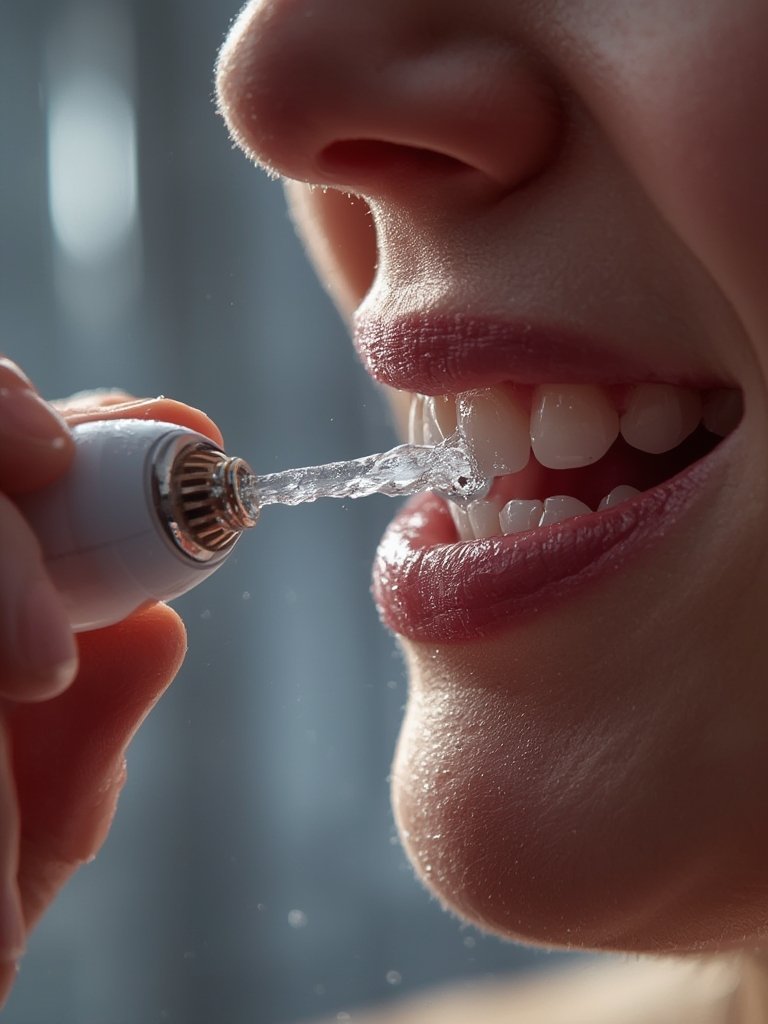
Consistency is what delivers tangible results. Pair your water flosser routine with twice-daily brushing and, for those in orthodontic treatment, consider combining with other cleaning aids as suggested by your dental professional.[5]
If you are searching for other proven ways to upgrade your home on a budget, see our guide on low cost kitchen renovation. For homeowners interested in maximizing long-term savings, check out our recommendations for solar panel home upgrades. These resources offer actionable advice for different types of home improvement and efficiency strategies.
Advanced Analysis & Common Pitfalls
While modern water flossers offer clear advantages, users, especially first-timers, can encounter real pitfalls and questions. Here is an analysis based on the most recent research data and practical experience:
| Aspect | Water Flosser | Traditional Floss |
|---|---|---|
| Plaque Removal | Superior (74.4% reduction)[1] | Moderate (57.7% reduction)[1] |
| Gum Bleeding Reduction | BOP Score: 0.41 | BOP Score: 0.19 |
| Ease of Use with Braces/Implants | Very Easy (Special tips available) | Challenging (requires threading) |
| Manual Dexterity Required | Low | High |
| Potential Safety Concerns | None reported[1] | None highlighted in studies |
| Long-Term Clinical Evidence | Favor water flossers | Satisfactory as adjunct |
Common Pitfalls and Realistic Problems
- Lack of Guidance for Sensitive Gums: While water flossers are gentle, there are no specific tip recommendations for those with sensitive gums. Start low and consult your dental professional if discomfort arises.
- Learning Curve: Early users often complain about splash-back and making a mess until they develop proper technique. Take time to practice before using near important documents or electronics.
- Device Maintenance: Failure to regularly clean the reservoir and tips may allow mineral deposits or bacteria to accumulate over time. Clean and air-dry components after use.
- No Verified User Complaints: Direct consumer feedback from Amazon, Reddit, or dental forums on pain points is not available, so while study safety profiles are excellent, user comfort can still vary.
- Cost and Portability: The latest research does not provide specific pricing or portability features for 2024, but users on a budget or frequent travelers should research compact models that suit their needs and lifestyle.
For additional inspiration on practical improvements, see our guide to budget kitchen remodel ideas and discover easy ways to make smart upgrades in any home environment.
Conclusion
Water flossers are a science-backed solution for superior plaque removal, bleeding reduction, and easier oral care, especially for those with orthodontics or dexterity challenges.
Recent clinical trials confirm their edge over traditional floss for both general and advanced dental hygiene—without documented safety concerns.[1] To get the best results, combine consistent water flossing with your daily oral care routine.
Upgrade your dental hygiene today—choose a water flosser that fits your needs and see what a cleaner, healthier smile feels like. For those considering other affordable upgrades at home, browse our top picks for DIY kitchen improvements, or learn how a solar energy upgrade could increase your home’s value and efficiency.
FAQ
How often should I use a water flosser?
For best results, use your water flosser once daily after brushing. Consistency is key in reducing plaque and improving gum health.
Can water flossers replace traditional dental floss?
Clinical trials show that water flossers can outperform or match string floss for plaque removal and bleeding reduction, especially in hard-to-reach teeth and around orthodontics. Many professionals recommend water flossers as a primary or adjunct tool depending on your dental needs.
Are water flossers safe for everyone?
Recent studies report no major adverse effects or safety concerns with water flosser use, including users with braces, implants, or bridgework. If you have specific dental concerns, consult your dentist.
What type of water should I use in my water flosser?
Lukewarm tap water is generally safe for most users. If you live in an area with poor water quality, consider using distilled water to prevent mineral buildup in your device.
What is the best way to clean a water flosser?
Rinse and dry the water reservoir and tips after every use to avoid bacterial buildup and mineral deposits. Periodically deep clean using white vinegar or as recommended by your device manufacturer.