

Water Flosser devices are quickly becoming a staple for home oral hygiene, but do they really outperform traditional string floss? This guide delivers a realistic, action-focused breakdown of what recent clinical studies, user reviews, and dental authorities actually say—so you can confidently decide if a water flosser belongs in your bathroom.
Key Takeaways
- Water flossers outperform string floss for improving gum health—especially for those with braces or implants—according to 2022-2024 clinical evidence.
- There are notable gaps in guidance for pediatric or environmentally conscious users, and maintaining device hygiene is crucial.
- Effective water flosser use requires real technique; common mistakes (improper tip cleaning, wrong water pressure) can reduce benefits.
- What Is a Water Flosser? (And Why Use One?)
- How to Use a Water Flosser: Step-by-Step Guide
- Advanced Analysis & Common Pitfalls
- Conclusion
- Frequently Asked Questions
What Is a Water Flosser? (And Why Use One?)
A water flosser is an electronic device that uses a targeted stream of pressurized water to clean between your teeth and along the gumline. Instead of scraping plaque away like traditional floss, it flushes out food debris and bacteria—making it especially useful for people with sensitive gums, braces, dental implants, or limited dexterity.
Recent clinical trials (2023-2024) show water flossers can cut gum bleeding and inflammation twice as effectively as string floss within weeks (British Dental Journal, 2023). The technology is also recommended by leading dental organizations for orthodontic and implant patients who struggle with manual flossing (Mayo Clinic).
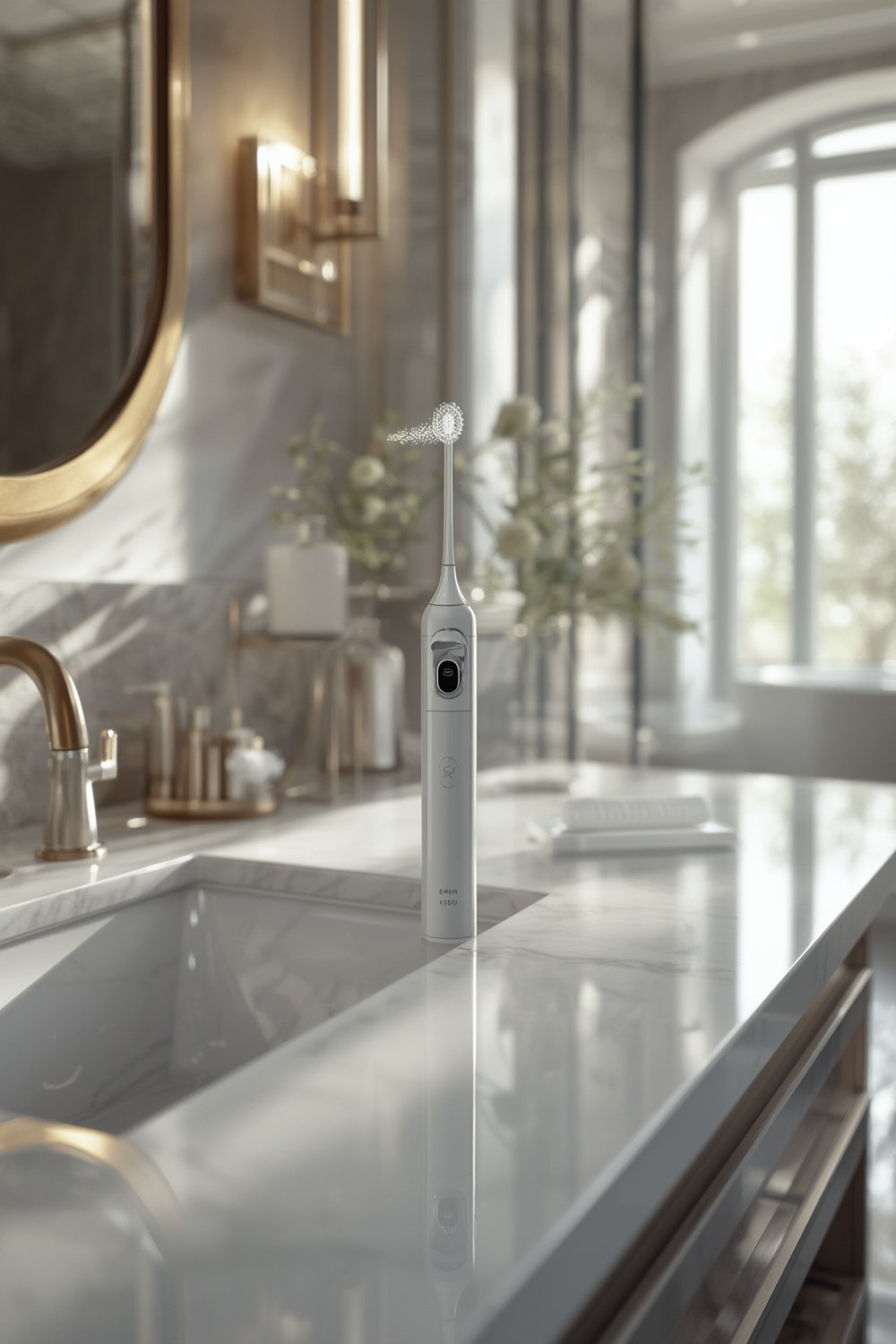
Additionally, water flossers may be easier and more pleasant to use for people who dislike the sensation of string floss, or who want a more tech-driven approach to oral care. For those considering larger home upgrades, integrating preventive tools like these can complement affordable kitchen remodels and solar panel home upgrades—a small but strategic investment in health and daily efficiency.
How to Use a Water Flosser: Step-by-Step Guide
Using a water flosser may seem straightforward, but following these best practices delivers dramatically better results and reduces mess or maintenance headaches.
- Fill the Reservoir: Use lukewarm tap water (100-200ml is usually enough). Avoid very hot or cold water to protect your gums and the device.
- Choose and Attach the Tip: Select the right tip for your needs (standard, orthodontic, periodontal). Push it until it clicks securely in place.
- Position Yourself: Lean over the sink, place the tip in your mouth, and close your lips enough to avoid splatter—but leave enough space for water to flow out.
- Select Pressure & Mode: Start with low pressure. Target gumline and between each tooth using a gentle sweep or pause method (pause 2 seconds between teeth).
- Flush Systematically: Move from back teeth to front, upper to lower jaw. Cover the full gumline and between all teeth—don’t rush!
- Empty and Clean: After use, empty the reservoir and run a quick pulse of clean water to prevent stagnant water and bacterial buildup. Wipe down the exterior if any water spills occurred.
- Maintain Tips: Weekly, soak tips in a diluted vinegar or hydrogen peroxide solution to prevent bacterial colonization (see Bertl et al., 2021 in clinical summaries).
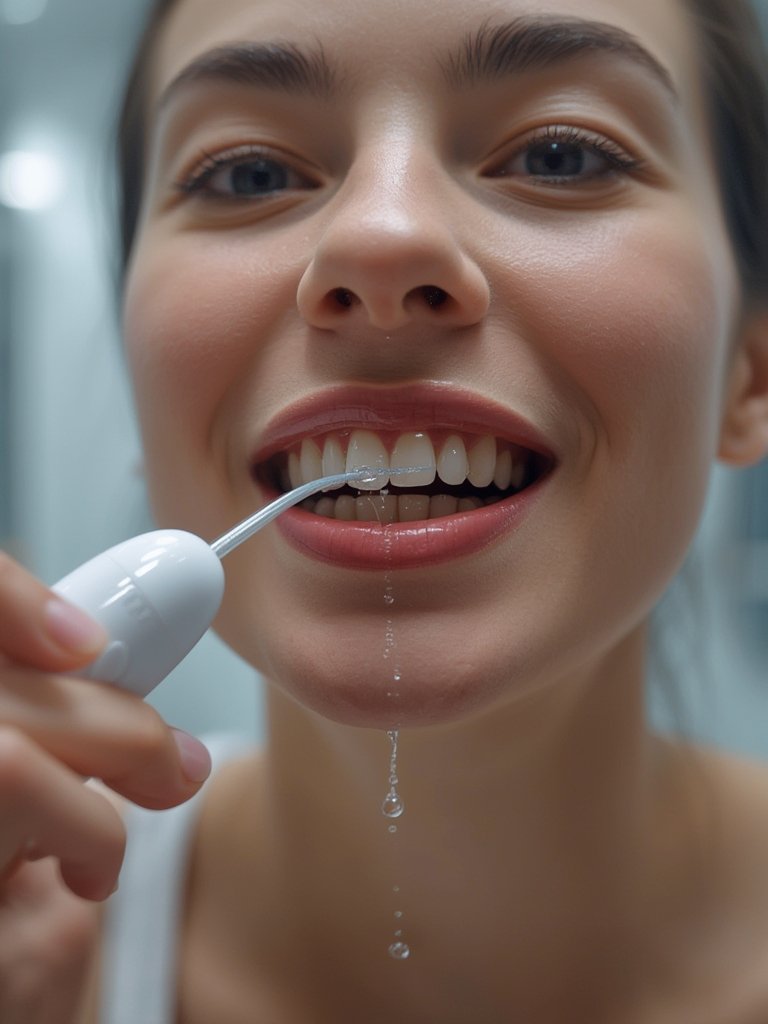
For those who value practical improvements, consistent water flossing matches the strategic energy upgrades in a home solar improvement guide: Small, daily actions add up to powerful results.
Advanced Analysis & Common Pitfalls
Water flossers aren’t perfect, and real-world problems can affect your experience or results. Here’s what to watch for:
- Many first-time users report water splashing onto mirrors or clothing: Some units are loud—countertop models typically make more noise than cordless ones.
- Device Hygiene and Colonization: Clinical data warns of bacterial buildup in flosser tips after a few months unless regularly cleaned. This can undermine the device’s health benefits (see review and Bertl et al., 2021).
- Cost and Maintenance: Water flossers cost $50-$150 upfront, plus $20-$50/year for tip replacements. In comparison, string floss costs $2-$5/year (see cost breakdown).
- Not Ideal for All Users: There’s little research on pediatric safety or use. Pediatric adherence and effectiveness are unclear.
- Environmental Concerns: Each flossing session uses around 100-200ml of water. Environmental impact remains underreported (see long-term device review).
- No Guidance from Dental Associations: Professional bodies rarely specify technique, pressure, or cleaning best practices—leading to user uncertainty and improper habits.
| Feature | Water Flosser | String Floss |
|---|---|---|
| Effectiveness for Gums | 41% reduction in bleeding; up to 2x the improvement in 2-4 weeks | 19% reduction in bleeding; less impact on gingivitis |
| Plaque Removal | Slight advantage with orthodontic cases | Similar in healthy adults, but harder with braces |
| Usability | Easy for braces, implants, limited dexterity | Manual dexterity required; difficult with appliances |
| Device Maintenance | Tip colonization after ~3 months unless disinfected | Single use, disposable; little maintenance |
| Cost (Annualized) | $20-$50 (tips) + device depreciation | $2-$5 (floss supply) |
| Environmental Impact | 100-200ml water/session (up to 70L/year) | Small packaging waste; no measurable water |
For readers focused on maximum value in home health, balancing these pros and cons is as important as budgeting for a kitchen remodel on a budget.

Conclusion
Modern research confirms that water flossers are exceptional for improving gum health, especially for those with braces, implants, or dexterity issues. But like any dental tech, they work only if used correctly—with regular cleaning and mindful technique. There are cost and environmental trade-offs, as well as limited pediatric research, but for most adults seeking next-level home care, a water flosser delivers real benefits string floss rarely matches.
Start exploring the right water flosser model for your needs, and prioritize consistent, careful use. Your oral health will thank you. Have more home improvement goals? Check out our guides on affordable kitchen upgrades and solar panel ROI maximization.
Want to level up your smile and whole-home wellness? Invest in a Water Flosser—and follow these evidence-based steps for happier, healthier gums.
Frequently Asked Questions
Is a water flosser better than string floss for everyone?
Water flossers are more effective for people with braces, implants, or gum bleeding, according to recent trials. For those with healthy gums and accessible gaps, string floss remains a good choice.
How often should I clean or replace water flosser tips?
Clean tips once a week with diluted vinegar or hydrogen peroxide. Replace them every 3-6 months to prevent bacterial buildup, especially if you notice discoloration or off-odors.
Can kids safely use a water flosser?
Clinical guidance for pediatric water flosser use is limited, and safety/efficacy haven’t been rigorously studied in children. Supervise any use and consult your child’s dentist first.
How much water does a session use?
A typical session uses 100-200ml of water. This adds up to about 36-70 liters per year—modest for most households, but worth noting for sustainable living enthusiasts.
Which dental organizations recommend water flossers?
The British Dental Journal and Mayo Clinic both endorse water flossers, particularly for those with complex dental work. No major association currently offers step-by-step usage tips.