

UTI Supplement use has become a hot topic for people looking to prevent or manage urinary tract infections without relying on antibiotics. Can natural supplements actually work and are they worth your time and money? This guide breaks down the facts, latest research, and practical steps for anyone considering a UTI supplement regimen.
Key Takeaways
- Recent studies show cranberry PAC supplements like Ellura, especially those with high PAC, are more effective than D-mannose for UTI prevention, but neither replaces antibiotics in acute cases.
- Claims about all-natural UTI supplements need close scrutiny; not all products work as advertised, and some have failed in clinical trials.
- Missing data on price, long-term safety, and potential drug interactions means you should stay informed and consult your provider before starting any supplement.
- What Are UTI Supplements and Why Consider Them?
- Step-by-Step Guide: Choosing and Using UTI Supplements
- Advanced Analysis & Common Pitfalls
- Conclusion
- Frequently Asked Questions
What Are UTI Supplements and Why Consider Them?
UTI supplements are products marketed to help prevent or reduce urinary tract infections, offering an alternative to antibiotics or supporting urinary health. They typically feature natural ingredients like cranberry extract (particularly PACs—proanthocyanidins) and D-mannose, each working on the principle of making it harder for bacteria (like E. coli) to latch onto bladder walls.
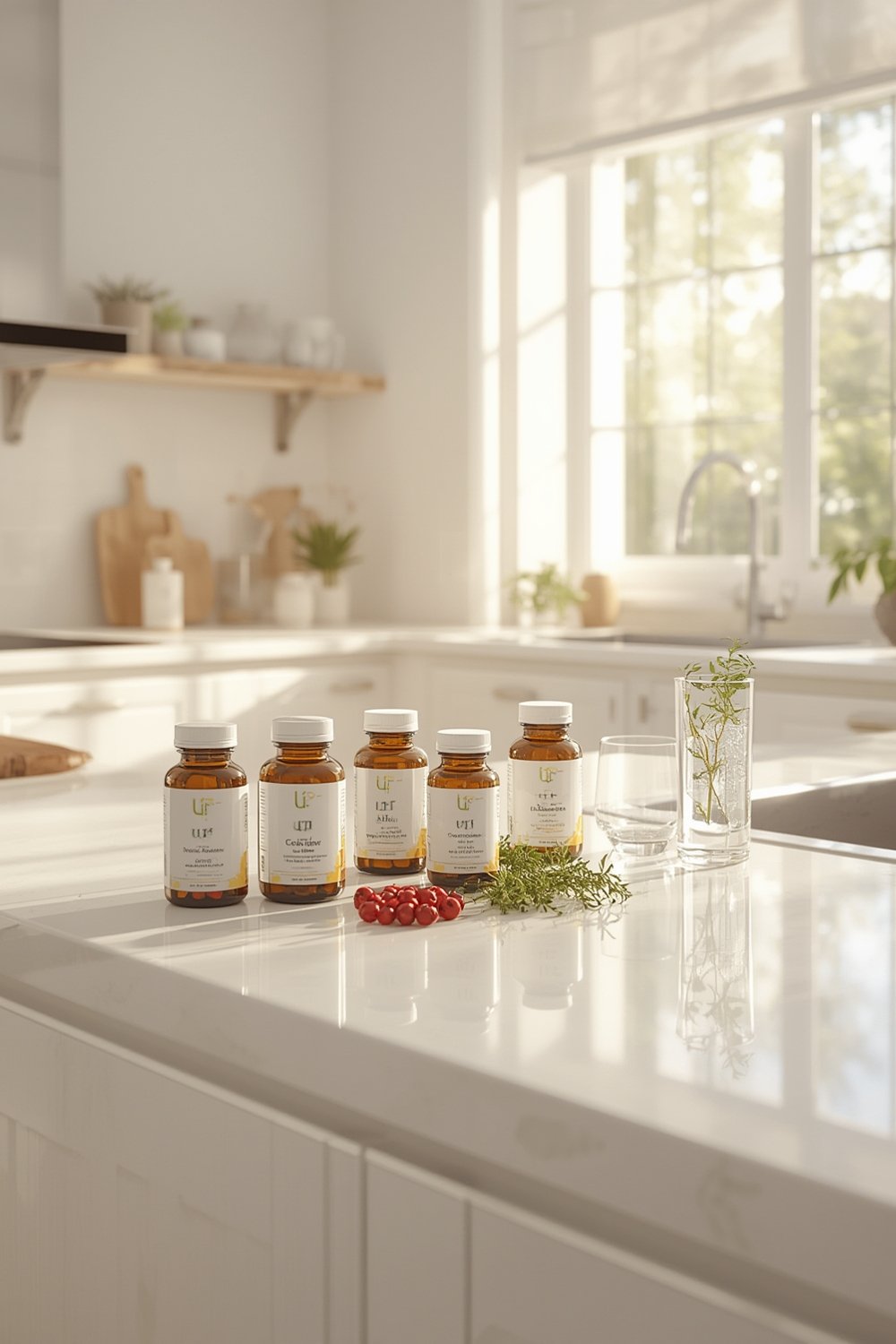
People consider UTI supplements because antibiotics can lead to resistance over time, and recurrent UTIs are both painful and disruptive. The appeal of a natural, easy-to-use solution is obvious, but research shows not all UTI supplements are equally effective. Recent studies suggest cranberry PAC supplements (like Ellura) outperform D-mannose, especially for recurring UTIs, due to their stronger anti-adhesion effects on the bacteria responsible for most infections. Several 2024 trials confirm this difference. Since some UTI supplement claims aren’t backed by research, careful product selection is crucial.
Step-by-Step Guide: Choosing and Using UTI Supplements
Taking a smart approach is essential if you want UTI supplements to actually benefit you. Here’s how to select, use, and monitor these products responsibly:
- Identify Your Goal: Decide if you’re using a UTI supplement for prevention, early symptom relief, or together with other measures (such as dietary or hygiene changes). This context shapes the best approach.
- Analyze the Ingredients: Look for transparency on ingredient labels. The most evidence exists for PAC-rich cranberry extract and, though less robustly supported, D-mannose. Some products add vitamin C or herbal blends, but no major studies prove their effectiveness for UTI prevention or treatment.
- Check Dosage & Form: Pick supplements that specify their PAC content (preferably the “soluble” or “bioavailable” kind). For cranberry, studies recommend at least 36 mg PAC per day, such as in Ellura. If you consider D-mannose, be aware its benefit is unproven in high-quality 2024 trials, especially for those prone to kidney-related infections.
- Use As Directed—But Monitor Results: Take your supplement daily and stick to one brand at a time to assess effectiveness. Track any UTI symptoms, frequency, or side effects for several weeks. Improvement in symptoms or reduced recurrence could support ongoing use.
- Stay Skeptical of Overblown Claims: Avoid brands that guarantee “cures” or promise antibiotic-level action. Genuine supplements work by reducing bacteria’s ability to stick, not by killing them.
- Consult Your Provider: Especially if you take prescriptions, have chronic conditions, or are prone to kidney infections, get personalized advice. There’s little or no published data on drug interactions, so err on the side of caution.
- If you’re planning a whole-home upgrade at the same time, learn how to maximize efficiency alongside other improvements for greater health and value.
- Considering at-home DIY health upgrades? Borrow strategies from these affordable kitchen makeover ideas to keep your wellness efforts practical and budget-friendly.
Actively involving your healthcare team, especially if you get frequent UTIs, aligns with best practices and prevents missteps common with self-directed supplement use.
Advanced Analysis & Common Pitfalls
Despite their popularity, UTI supplements are not a one-size-fits-all solution. Here are the most common pitfalls and how to avoid them, plus a science-backed comparison:
| Product/Method | Key Ingredient | Supporting Research | Evidence of Effectiveness | Common Pitfall |
|---|---|---|---|---|
| Ellura | 36 mg PAC Cranberry Extract | Journal of Dietary Supplements 2024 | Consistent, broad AAA against main UTI bacteria | Confusing PAC amount with overall cranberry content |
| D-mannose | Simple Sugar | JAMA 2024 | No significant prevention in recent large studies | Relying solely on D-mannose for recurrent UTIs |
| Antibiotics (e.g. Fosfomycin) | Conventional Antibiotics | Clinical Trial 2024 | Effective for treatment, but not for long-term prevention | Overuse leading to resistance |
| Generic Cranberry Supplements | Variable, Usually Low PAC | AUA/Supplement Market Reviews | Unreliable results due to inconsistent PAC dosing | Assuming all cranberry capsules are equal |
- Relying solely on supplements: No supplement replaces medical care for active infections. If you develop new symptoms (pain, fever), consult your provider promptly.
- Not reading ingredients: Some products market “cranberry” but don’t list actual PAC doses.
- Unrealistic expectations: Supplements may help prevent recurrence but won’t “flush out” established infections alone.
- Neglecting hydration and hygiene: Lifestyle keeps playing a role; neglecting basics can negate supplement benefits.
- Missing possible drug interactions: Although no major issues are documented in 2024 trials, lack of reporting doesn’t mean zero risk. Those on multiple meds should double-check with a professional.

If you want an actionable approach to other wellness or home improvements, review our guide on budget-friendly upgrades for practical steps to stay financially healthy, too.
Conclusion
Research makes it clear: not all UTI supplement options are created equal. High PAC cranberry products like Ellura stand out for prevention, but there is little evidence for D-mannose as of 2024. You will not find a UTI supplement that can treat an active infection—get medical advice fast if you develop symptoms. Choose proven ingredients, be wary of unsubstantiated claims, and always put safety first. Ready to support your urinary health? Consider adding a carefully chosen UTI supplement after speaking with your provider.
For more tips on maximizing value in every aspect of your home and health, check out our solar ROI maximization guide and our in-depth guides to affordable upgrades.
Frequently Asked Questions
Can UTI supplements replace antibiotics?
No. UTI supplements may help reduce the frequency of infections but are not substitutes for antibiotics in treating an active infection. Always see a provider for new symptoms.
Is D-mannose reliable for UTI prevention?
Not according to recent studies. Large 2024 trials show D-mannose does not significantly prevent recurrent UTIs compared to placebo. Cranberry PAC supplements are more consistent in results.
Are there known side effects or drug interactions with UTI supplements?
No major side effects or drug interactions are reported as of the latest research, but the lack of data means new users, especially those on multiple medications, should consult a healthcare professional.
What is the typical cost for UTI prevention supplements?
Current research does not provide specific monthly cost data. Prices vary, but high-PAC cranberry supplements like Ellura tend to be pricier than generic cranberry pills or D-mannose powders.
What’s the best way to pick an effective UTI supplement?
Look for supplements with clinical-level PAC content (36 mg daily) and avoid brands without third-party testing or transparent ingredient lists. Results are more promising with these standards.