

Scar Tape has become a popular tool for anyone wanting to minimize the appearance of C-section scars, but real-world results, application tips, and product options can be confusing. In this guide, you’ll discover what actually works, possible pitfalls, and actionable steps to improve scar healing after a C-section.
Key Takeaways
- Medical-grade scar tape made of pure silicone is recommended by plastic surgeons for minimizing C-section scars and has low risk of side effects.
- Applying scar tape consistently and following best practices offers the best chance of visible scar improvement after a C-section.
- Despite strong evidence for silicone, optimal application routine and pricing details are rarely addressed by competitors.
- What Is Scar Tape and Why Use It After a C-Section?
- Step-by-Step Guide: How to Use Scar Tape for C-Section Scars
- Advanced Analysis & Common Pitfalls
- Conclusion
- FAQ
What Is Scar Tape and Why Use It After a C-Section?
Scar tape refers to self-adhesive silicone strips applied directly over healing C-section scars. Plastic surgeons and dermatologists commonly suggest silicone for scar management because it hydrates the skin, protects the incision, and helps prevent excess collagen buildup. By creating a protective barrier, it improves scar color and thickness for many users. Although no brand-new C-section-specific studies exist for 2023 or 2024, prior clinical research finds medical-grade silicone sheets and tapes reduce hypertrophic scar thickness (mean difference -2.00, 95% CI -2.14 to -1.85) and improve scar appearance (source).
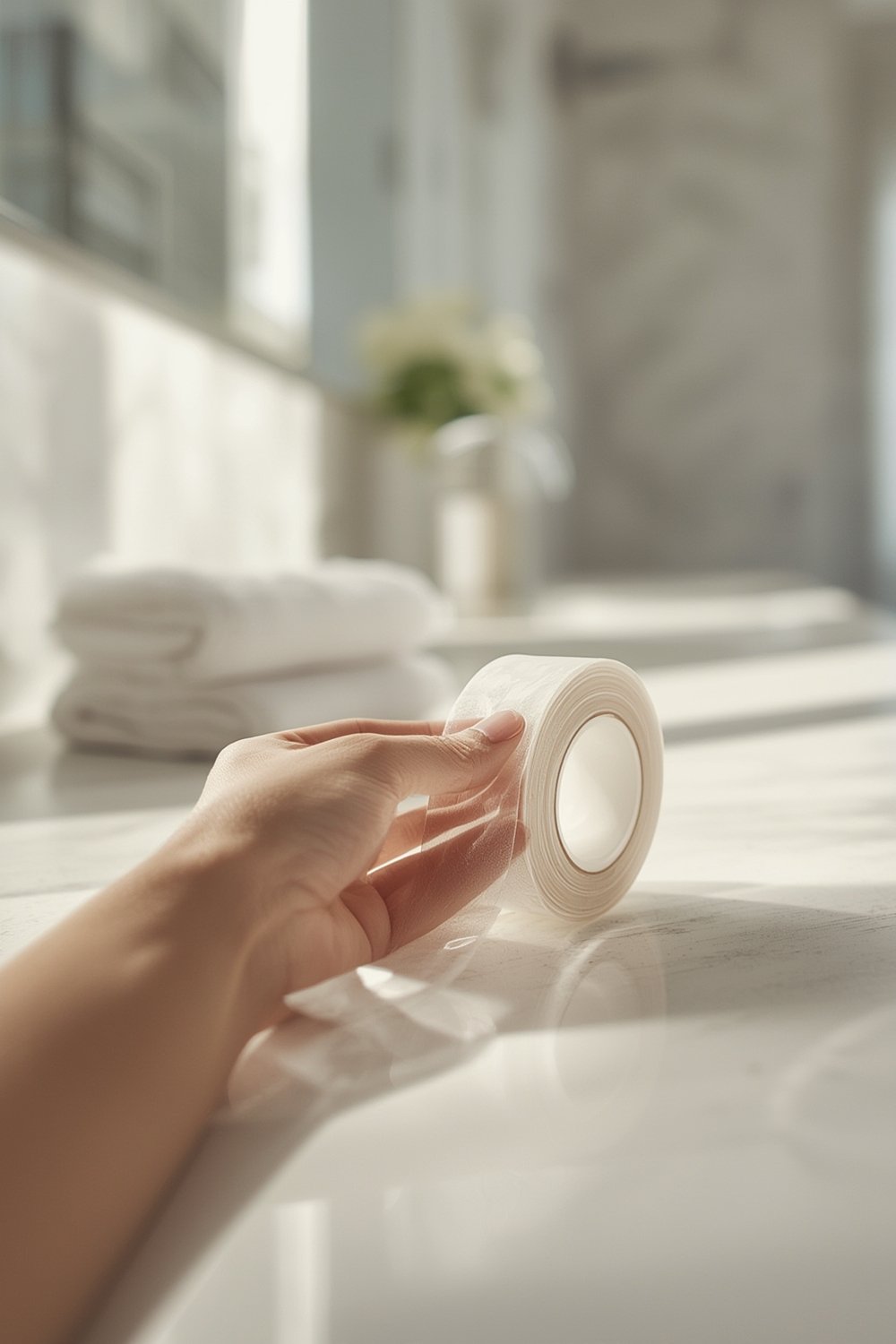
Medical-grade scar tape uses hypoallergenic, non-reactive silicone crosspolymer with few or no additives. This creates a semi-occlusive barrier that locks in moisture, softens scar tissue, and is considered safe on sensitive post-surgical skin. Over-the-counter versions sometimes include extra polymers or penetration enhancers, but truly medical-grade options are generally preferred for proven safety and results (source). If you are interested in other cost-effective upgrades for your home, see our guide to budget kitchen remodels or find ways to maximize ROI with solar panel home upgrades.
Step-by-Step Guide: How to Use Scar Tape for C-Section Scars
- Wait for Skin to Heal: Scar tape should only be used after the C-section incision is fully closed, stitches are removed, and the wound is dry. Never apply over an open wound or weeping skin.
- Choose Medical-Grade Silicone Tape: Look for products labeled “medical-grade silicone,” “pure silicone crosspolymer,” or similar. Avoid those with unnecessary additives, colors, or fragrances.
- Wash hands and the scar gently using mild soap: Pat completely dry; water left behind can cause tape to lift or lose adhesion.
- Cut the tape so it covers the entire scar and only a small border of surrounding skin. Oversized tape may irritate healthy tissue.
- Apply Smoothly with No Folds: Gently press the tape over the scar, smoothing out any bubbles or wrinkles for full contact.
- Follow Application Schedule: Most silicone scar tapes are designed to be worn for at least 12 hours per day, and up to 24 hours if tolerated. Replace or rinse the tape as recommended by the product’s instructions or your provider.
- Repeat for at Least 8 Weeks: Consistent use is key. For C-section scars, dermatologists often advise 8-12 weeks of daily wear, but longer may be beneficial, especially for older or thicker scars.
- Watch for Signs of Irritation: Although rare, discontinue use if you see persistent redness, rash, or blistering. Seek medical advice if irritation persists.
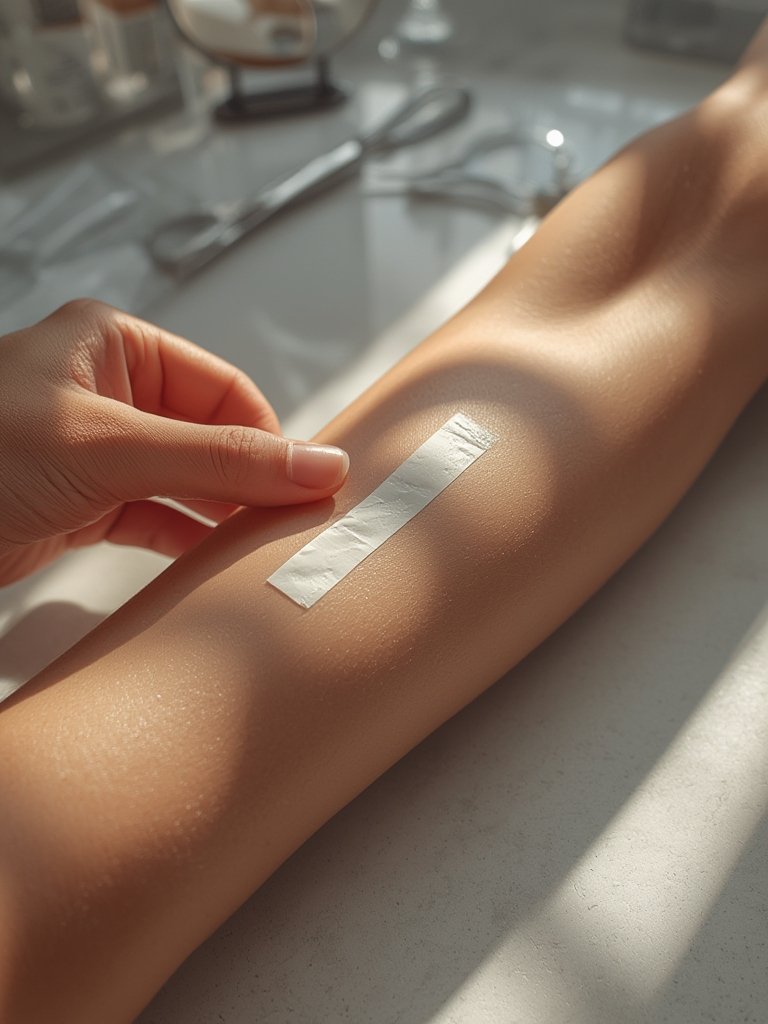
Maintaining a gentle skin care routine is key, too. Harsh products or exfoliation around the scar can cause irritation under the tape. Sticking with basic, fragrance-free soap is smart. If you want more tips on low-budget improvements, read our expert article on affordable kitchen upgrades.
Advanced Analysis & Common Pitfalls
While medical-grade silicone scar tape is safe and effective for most C-section scars, there are downsides and missteps to be aware of:
- Lack of Routine: Inconsistent use or stopping tape therapy too early dramatically reduces the chances of fading C-section scars.
- Improper Tape Selection: Cheaper, over-the-counter scar tapes often add fillers or adhesives, which may cause redness or peeling. Results support using medical-grade silicone crosspolymers instead (source).
- Using Tape on Unhealed Wounds: Applying scar tape too soon raises infection risk and slows healing.
- Failure to Watch for Allergic Reactions: While true reactions are very rare, discontinue use if rash or severe itching develops.
- Sticker Shock and Confusing Coverage: Most insurers do not cover scar tape for cosmetic use, so expect to pay out of pocket. A typical box of medical-grade tape can cost anywhere from $20-$60, and one box may not last the full duration.
| Type | Main Ingredients | User Experience | Effectiveness on Scars |
| Medical-Grade Silicone Tape | Pure silicone crosspolymer, cross-linked polydimethylsiloxane | Non-reactive, safe for sensitive/all ages | High (proven, especially for hypertrophic scars and C-sections) |
| OTC Scar Tape | Silicone with added fillers, adhesives, or fragrance | May cause irritation or reduced adhesion | Variable (often less consistent and effective) |
| Innovative Blends | Silicone with hyaluronic acid or salt infusions | Moisturizing, very low side effects, not yet widespread | Potentially superior hydration and repair during early healing (source) |
If you’re planning more upgrades, get inspired by these DIY kitchen improvements to improve your home value and functionality.

Conclusion
For visible C-section scar reduction, consistently using premium medical-grade scar tape offers real benefits, from improved color to reduced thickness. Always choose products with pure silicone, wait until your wound is fully closed, and stick to daily application for at least eight weeks. Drawbacks mainly revolve around price, non-coverage by insurance, or improper application. Ready to improve your results? Try scar tape for better healing, and don’t forget to explore other smart home upgrades for added value and comfort.
FAQ
When should I start using scar tape after my C-section?
Wait until your incision is fully closed, stitches are removed, and there is no more oozing or scabbing. Usually this is at least two weeks post-surgery, but always confirm with your healthcare provider.
How long should I wear scar tape each day?
Most experts recommend at least 12 hours daily, up to 24 hours if tolerated. Change the tape as instructed or if it becomes soiled or loses adhesion.
Is it safe to use scar tape on sensitive or postpartum skin?
Yes, medical-grade silicone scar tape is safe for sensitive, post-surgical, or postpartum skin and is hypoallergenic. Discontinue use if a rash or irritation develops.
Why don’t most insurance plans cover silicone scar tape?
Scar tape is usually seen as a cosmetic product, not a medical necessity, so insurers rarely reimburse its cost. Check with your provider if you have unique needs or complex wounds.
What should I do if my scar tape keeps peeling off?
Try applying it to clean, dry skin and avoid lotions or oils beneath. Applying at night can help. If needed, use a light layer of skin-safe adhesive at the edges for extra hold.