
Home for doves or pigeons is more than just a cage—it’s a carefully built haven designed to keep your birds healthy, safe, and stress-free. Getting the housing right makes all the difference between thriving birds and ongoing care headaches. If you’re thinking of building or upgrading a loft, read on for exactly what it takes to create a reliable, effective home for doves or pigeons.
Key Takeaways
- Proper loft design starts with ventilation, protection, and enough space for your pigeons or doves to stay healthy and calm.
- Building materials, predator-proofing, and a sustainable cleaning routine are critical for long-term success and bird safety.
- Even small upgrades can boost health and happiness—skip fancy gadgets and focus on proven best practices for your home for doves or pigeons.
The Core Concept
A great home for doves or pigeons is not just about a roof and some wire. The basics—enough space, shelter from the elements, proper materials, and predator protection—determine everything from the birds’ health to your daily workload.
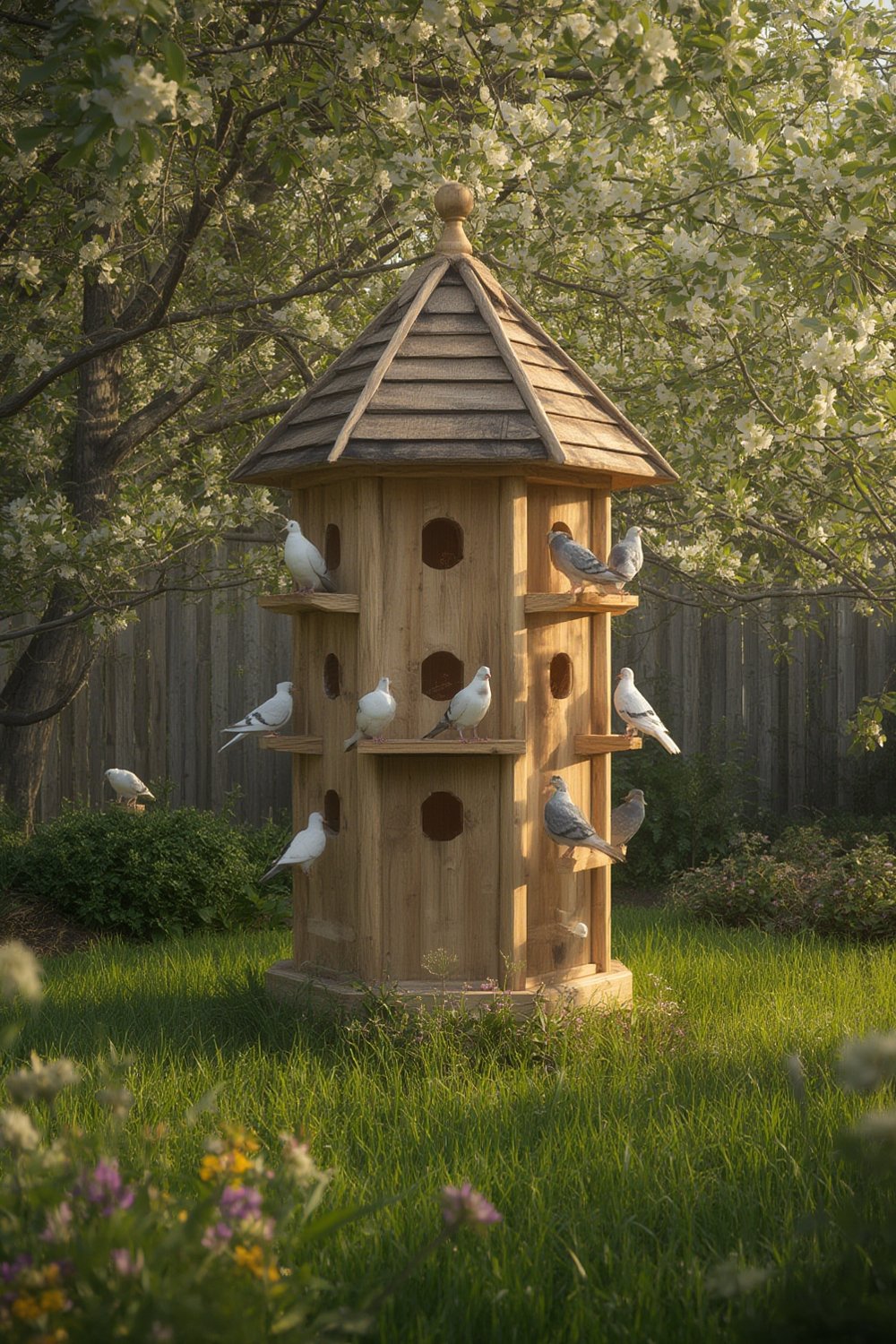
The right setup allows for easy maintenance and reduces disease risks. Airy, dry, well-segmented aviaries using fine hardware cloth keep doves or pigeons safe from predators and harsh weather. For small flocks, recommendations like an 8’ x 4’ x 6’ aviary—half roofed and half open—strike the right balance between exposure and protection (source). Internal dividers simplify flock management by separating breeders, young, and old birds (source).
Ventilation is non-negotiable. Doves and pigeons thrive in dry, airy conditions—moisture buildup fosters disease and discomfort. Shade cloth and slanted roofs protect against excess heat and rain (source), while hardware cloth keeps out raccoons and rats (source). Insisting on these fundamentals both protects your birds and keeps your workload manageable.
Step-by-Step Guide
Building an efficient home for doves or pigeons doesn’t have to be complicated, but skipping steps opens up trouble. Here’s a start-to-finish guide for healthy, low-hassle housing:
- Evaluate Available Space: Measure your intended area and ensure you allow at least 8 to 10 square feet per pigeon (source). Compact designs work in most backyards but never go smaller than recommended minimums.
- Select Materials: Use 0.5″ or 0.25″ hardware cloth for all surfaces—never chicken wire or bird netting (source). Attach sturdy siding and roofing for shelter.
- Build a Dry, Ventilated Frame: Frame the aviary to full height (at least 6’ tall for easy cleaning). Include two ventilation strips along the top, two along the bottom, and more as needed (source), while sealing all seams against drafts during winter.
- Divide Internal Spaces: Use partitions to separate breeders, young, and older birds. Place perches of different heights—tree branches or 1×4 boards work best.
- Create Integrated Nest Areas: Add 1-2 nest boxes per pair of birds or use sturdy baskets within the loft.
- Install Feeding Stations: Scatter multiple food and water dishes to reduce competition (source).
- Add Exterior Landing Boards and Traps: Build an entry board big enough for your whole flock, and mount a trap mechanism for secure but easy entry.
- Weatherproof and Insulate: Use a slanted roof for rain runoff and attach shade cloth as needed for insulation and privacy.
- Secure the Floor: Make sure the undersurface is wrapped in hardware cloth—do not leave gaps for rodents or predators.
- Set and Stick to a Cleaning Schedule: Clean daily; in hot or wet seasons, aim for twice-daily cleaning. Dry bedding and good airflow are your best protections against disease.
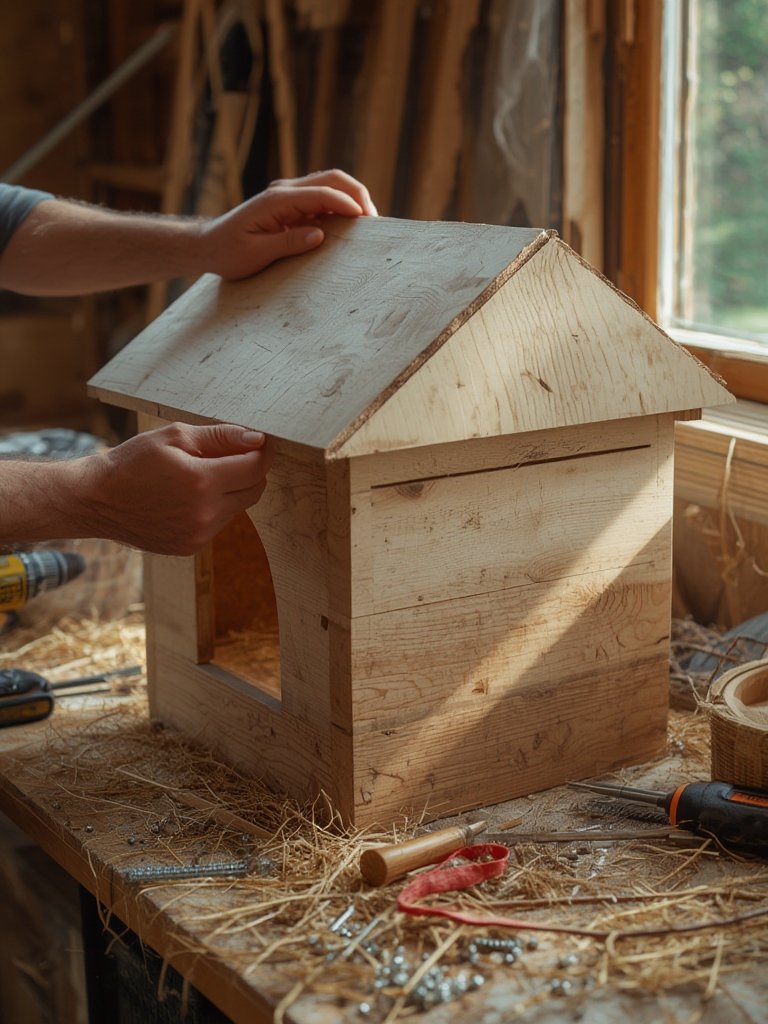
For a more cost-conscious project, reuse pallets or offcuts for wall siding. Consider buying a pre-made trap (about $20) to save time on that finicky component.
If you’re tackling a broader home project, you may also find this guide to budget kitchen remodels helpful for getting the most out of your renovation dollar.
Learn more about adding solar upgrades to your property if energy efficiency is also on your mind when planning your aviary installation.
Advanced Analysis & Common Pitfalls
Even with research, many new dove or pigeon owners fall into the same avoidable traps. Here’s what usually goes wrong—and how to get it right the first time.
| Pitfall | What Happens | How to Prevent |
|---|---|---|
| Non-ventilated or Damp Lofts | Leads to respiratory diseases, high ammonia buildup, parasites. | Ensure upper and lower vents; never cover all airflow points, even in winter. |
| Undersized Housing | Stress, fighting, and plucking. Egg production and health decline fast. | Follow square footage and air volume guidelines religiously; never crowd birds. |
| Using Chicken Wire or Netting | Rats, raccoons, and snakes easily get in, often with deadly results. | Only use hardware cloth; check and repair all seams. |
| Neglecting Predator Skirts or Secure Flooring | Predators can dig under or squeeze through gaps at ground level. | Install buried hardware cloth skirts and tight floor panels. |
| No Internal Partitions | Adult pairs attack younger birds or squabble over perches and nests. | Place partitions for easy flock management; add several perches at varied heights. |
| Skipping Daily Cleaning | Fecal buildup accelerates bacteria or mold growth, sickening your flock. | Schedule quick, daily spot cleaning—twice daily in summer or in humid conditions. |
Costs can also be an unpleasant surprise. DIY small lofts often start around $500–$1000, factoring in materials like hardware cloth, roofing, and lumber (source). Add supplies for cleaning and occasional repairs. Don’t expect prefab units or larger setups to be much cheaper; focus on durability and quality instead of cutting corners.
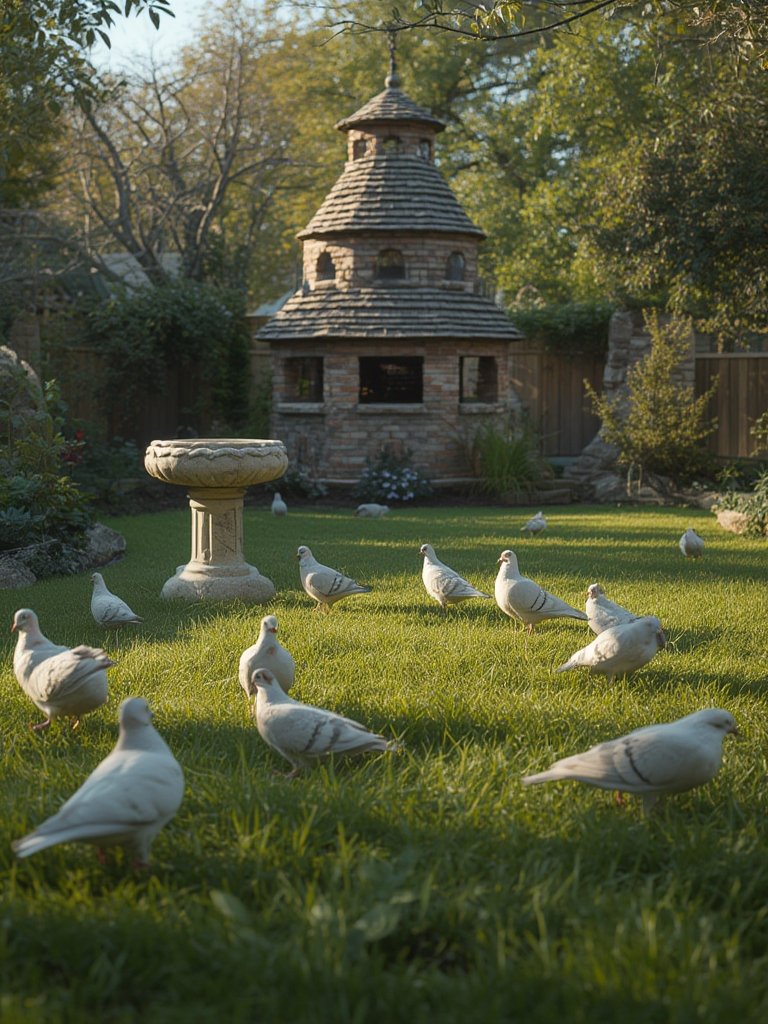
Legal pitfalls are less standardized. There’s rarely specific legislation, but checking local zoning and keeping a tidy, attractive aviary will help avoid neighbor disputes. Good community relations start with a blending design—choose paint and roofs that suit your surroundings. For more design inspiration that balances function and aesthetics, see Budget Kitchen Remodel: 7 Amazing Ways to Upgrade Your Home (Proven Guide).
For eco-minded owners, solar panel integration and thoughtful insulation offer savings and sustainability. Explore Solar Panel Home Upgrades: 7 Amazing Ways to Maximize ROI (Proven Guide) for tips on efficient, green home improvements that can extend to your aviary’s setup too.
Conclusion
Your investment in a quality home for doves or pigeons directly shapes your birds’ health, happiness, and your own long-term workload. Prioritize ventilation, predator-proofing, and strategic cleaning routines over complicated tech or Instagram-ready appearances. Once you have the basics—hardware cloth, divided spaces, and plenty of airflow—everything else is bonus. Ready to start building? Take your next step with confidence, and explore our other affordable DIY upgrade guides for any budget.
FAQ Section
What size should a home for doves or pigeons be?
Each bird needs a minimum of 8-10 square feet of aviary space and 8-10 cubic feet of air volume. For a small flock, an 8′ x 4′ x 6′ aviary or a 2.4m x 1.7m x 1.2m loft is the recommended minimum. Never overcrowd your birds, as this leads to stress and health issues.
What materials are best for building a pigeon or dove aviary?
Always use 0.5″ or 0.25″ hardware cloth for all surfaces, including the floor, to stop predators. Avoid chicken wire and bird netting. Use sturdy lumber, exterior-grade siding, and slanted roofing for weather protection.
How do I prevent disease in my home for doves or pigeons?
Keep the loft dry with plenty of airflow. Clean daily, remove wet bedding promptly, and separate birds of different ages with partitions. Good design, not medication, keeps most health issues at bay.
How much does it cost to build a quality pigeon or dove loft?
Expect to spend $500–$1,000 for a small, well-built DIY loft. Major costs are materials, especially hardware cloth and lumber. Pre-made components like ports and traps can save time for an additional fee.
Do I need permission or permits to keep doves or pigeons?
Regulations vary widely. There are often no specific pigeon or dove rules, but neighborhood associations may have restrictions. Building an attractive, well-maintained aviary helps avoid issues with neighbors or zoning boards.