
Home goods ramadan decor is transforming how families celebrate, blending tradition with style for 2024’s most meaningful season. This guide reveals the latest market trends, practical decorating frameworks, and real-world pitfalls you need to know—without gloss or sales talk.
Key Takeaways
- Consumer spending on home goods ramadan decor surged 40% in 2024, reflecting shifting trends toward vibrant, spiritual, and eco-friendly designs.
- Meaningful Ramadan decor is about simplicity, reuse, and cultural authenticity—over-decorating and excessive commercial items can harm the experience.
- Most online shoppers prioritized easy returns and quick delivery, but overlooked setup, cost-effective DIY options, and sustainability tips make the biggest impact.
- What Is Home Goods Ramadan Decor, and Why Does It Matter?
- How to Set Up Home Goods Ramadan Decor: Step-by-Step Guide
- Advanced Analysis & Common Pitfalls in Ramadan Decor
- Conclusion
- FAQ
What Is Home Goods Ramadan Decor, and Why Does It Matter?
Home goods ramadan decor refers to the specially chosen household decorations, both spiritual and festive, that adorn homes during the month of Ramadan. These can include Ramadan lanterns, candles, wall hangings, wreaths, and even dedicated reading spaces for religious reflection. In 2024, consumer spending on such items spiked by 40%, matching an increased desire for beautifying personal and communal environments during the holy month [source]. Inspiration comes from tradition but is refreshed by trending colors (gold, emerald, sapphire, silver, purple) and motifs (crescents, stars, “Ramadan Mubarak” captions).

This decor matters because it enhances the atmosphere for family, guests, and personal reflection. It makes routine moments—like Iftar or Tarawih—feel special, acknowledged, and spiritually meaningful. Properly chosen home goods ramadan decor balances celebration with reverence and can reinforce a sense of community and identity during a pivotal time of year.
How to Set Up Home Goods Ramadan Decor: Step-by-Step Guide
-
Plan and Visualize Your Space
Start by identifying key rooms: entryway, dining area, prayer/reading corner, and kitchen. Sketch a simple layout. Reflect on what matters most—spiritual ambiance, family comfort, festive symbols, or hospitality. -
Select Signature Decor Pieces
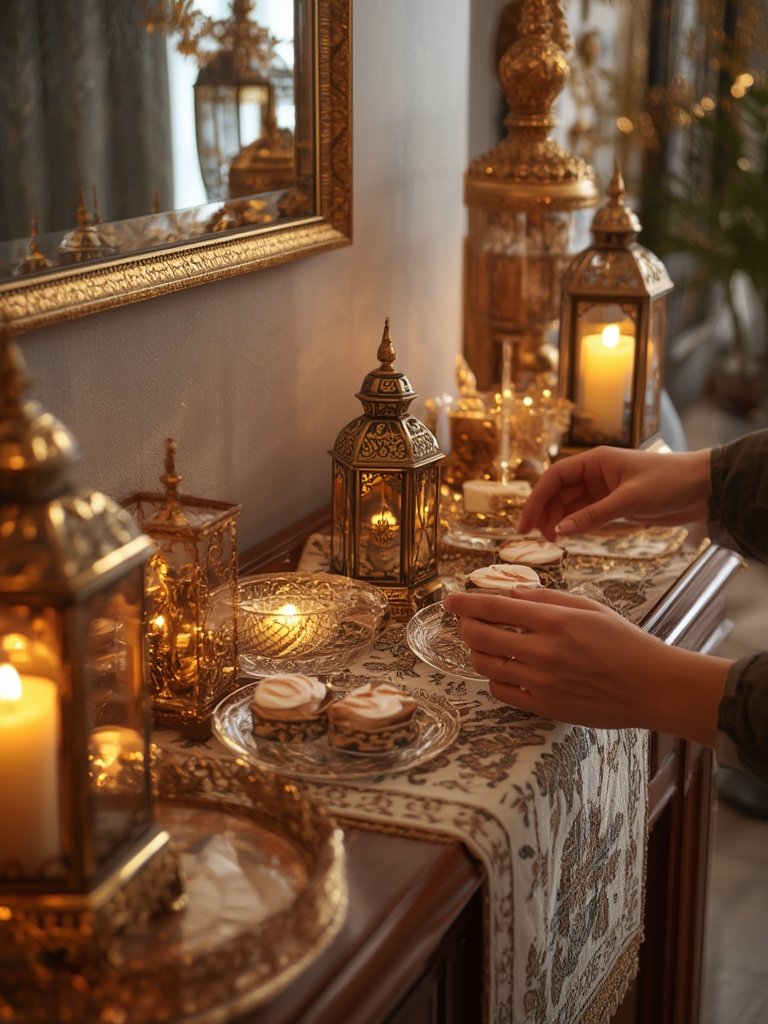
Choose a unifying color scheme: gold, emerald, or purple are 2024’s most popular. Pick out a few anchor pieces such as Ramadan lanterns, wreaths for the door, or wall hangings with spiritual messages. -
Incorporate Lighting and Scent
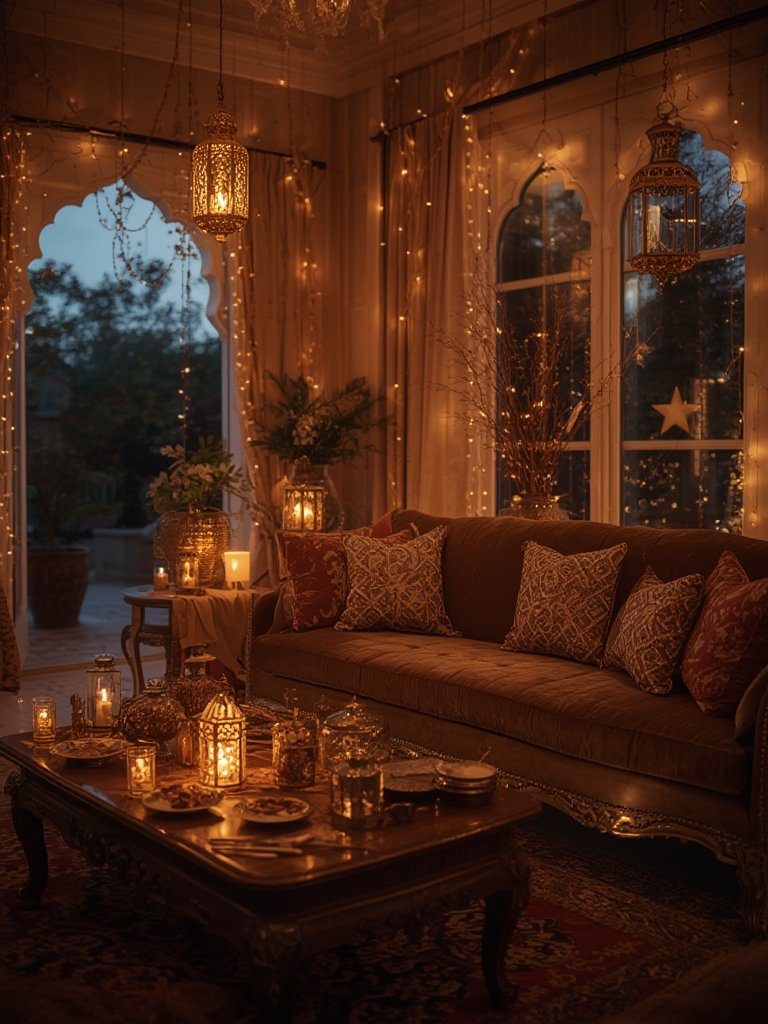
Arrange lanterns and candles thoughtfully for mood and safety. Use scented candles (floral, oud, or amber) for a warm welcome. Install string lights or accent lighting around key décor elements. -
Add Table and Kitchen Decor
Tablecloths with crescent and star motifs, decorative trays for dates, and themed place settings are budget-friendly ways to highlight Iftar moments. Use reusable kitchen accents—avoid disposables wherever possible. -
Create a Reflective Reading Corner
Dedicate a small area with cushions or a comfortable chair, soft lighting, and a shelf for religious texts and journals. This quiet zone encourages mindful rest and spiritual focus. -
Integrate Eco-Friendly Touches
Opt for fresh flowers, potted plants, and natural materials (cotton, iron, bamboo). You can DIY a wreath from floral art supplies or repurpose last year’s decor for less waste. -
Check Setup for Simplicity and Safety
Keep décor uncluttered and safe. Avoid flammable items near candles, and secure any hanging elements firmly. Before guests arrive, do a quick safety and comfort walk-through.
If you’re looking to update your kitchen decor while prepping for Ramadan, check out these budget kitchen remodel strategies—all compatible with festive, seasonal styling.
Advanced Analysis & Common Pitfalls in Ramadan Decor
Even as more families invest in home goods ramadan decor, several recurring pitfalls undermine the experience:
- Logistics Frustration: A 25% preference for free home delivery shows shipping costs and delays are still top complaints for online shoppers [source]. Eager buyers are let down when shipping lags, especially for time-sensitive Ramadan purchases.
- Return & Quality Issues: Easy return policies were a deciding factor for 18% of decor shoppers, up from 13% in 2023. Many buyers now expect hassle-free replacements for wrong or damaged products.
- Cost vs. Value: Some ready-made Ramadan decor, like iron wall accents, cost upwards of ₹1,758 (about $21 USD) even on sale. In contrast, a DIY textile wreath can run as little as ₹955 ($11.50 USD) [source]. Overpaying is common without a budget and clear decor plan.
- Over-Commercialization: Going overboard with flashy or irrelevant products can undermine the holiness of Ramadan. Trends recommend simplicity—excess decor and commercial branding can feel tone-deaf and insincere.
- Sustainability Gets Overlooked: Disposables and plastic-heavy products still dominate markets, but eco-friendly Ramadan decor—like fresh flowers and reusable lanterns—are easier to find and more meaningful.
| Decor Item | Ready-Made Cost (Approx.) | DIY Cost (Approx.) | Sustainability |
|---|---|---|---|
| Cotton Wreath (142x223cm) | ₹955 | ₹400 | High (Reusable, Natural Materials) |
| Iron Wall Accent | ₹1,758 | ₹700 (if self-made or upcycled) | High (Long Lifespan) |
| Plastic Lantern | ₹650 | ₹350 (Crafted w/ Paper/Glass) | Low (Disposable, Not Biodegradable) |
| Fresh Flower Centerpiece | ₹650 | ₹300 (DIY from market flowers) | High (Biodegradable, Compostable) |
To make meaningful upgrades to other home areas while keeping spending in check, learn from our affordable kitchen upgrade guide.
Here’s another practical tip: Rather than buying new, rotate last year’s decor and dress it up with fresh textiles, like Vaaree’s discounted cottons and updated iron accents [source]. Market leaders apply this approach to create festive, premium offerings while avoiding waste [source].
For families seeking sustainable renovations beyond decor, see our proven strategies on maximizing solar panel home upgrades for greater energy efficiency during Ramadan.
Conclusion
Home goods ramadan decor is more than trends and spending—it’s about creating a calm, authentic environment that honors the season. Mindful planning, a mix of DIY and quality buys, and choosing reusables or natural materials sets the right tone for your family and guests. Start where you are, improve what matters, and avoid quick-fix commercial excess. For more ideas on affordable upgrades, explore our tips for a kitchen remodel on a budget. Bring meaning and beauty to your Ramadan—get started with home goods ramadan decor today.
FAQ
What are the most popular home goods ramadan decor trends in 2024?
This year, trending styles include gold and emerald color schemes, lanterns, scented candles, “Ramadan Mubarak” wall hangings, door wreaths (DIY or store-bought), and decorated reading corners for prayer and reflection.
How can I keep Ramadan decor sustainable and environmentally friendly?
Use fresh flowers, reusable lanterns, cotton textiles instead of disposable plastics, and DIY wreaths. Repurpose items from previous years or select biodegradable materials whenever possible.
What’s the average cost of decorating a home for Ramadan?
Costs range widely: a ready-made cotton wreath can be ₹955 (around $11.50), an iron wall accent about ₹1,758 ($21), while DIY options for wreaths or centerpieces can be much cheaper. Most families mix a few statement pieces with crafted or reused items to keep expenses in check.
Are there specific religious guidelines for Ramadan home decoration?
The main guideline is to keep decor simple, focusing on spirituality and authenticity rather than excess or commercialism. Use meaningful symbols (crescents, stars, Mubarak messages) and create a space for reflection; avoid over-decoration and flashy, irrelevant products.
What are the biggest mistakes people make with home goods ramadan decor?
Common pitfalls include shipping delays, overpaying for commercial decor, cluttering spaces with disposable or plastic-heavy items, and losing sight of the spiritual focus by over-decorating.